Leveling Up My Toolkit

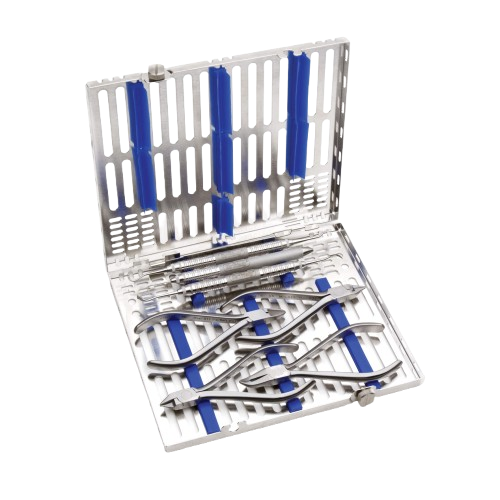
What I've learned so far:
Interning at Iconic Orthodontics has placed me in a position to learn many new skills, including naming many of the instruments and describing their function. Orthodontists also use cassettes to organize their tools which allows for smoother apointments and sterilization.
<---------
Tools in Store
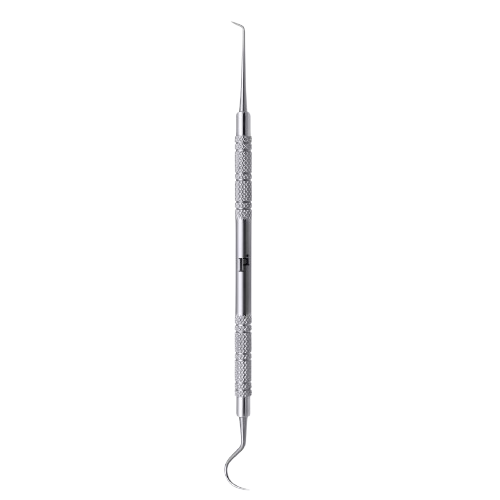
Explorer: An Explorer is used to remove O ties which are the singular elastic bands that are used to hold archwires (braces wires) together.
Scaler: A Scaler is used to scrape teeth in order to remove plaque or scrape teeth in preparation for adding glue and/or brackets.
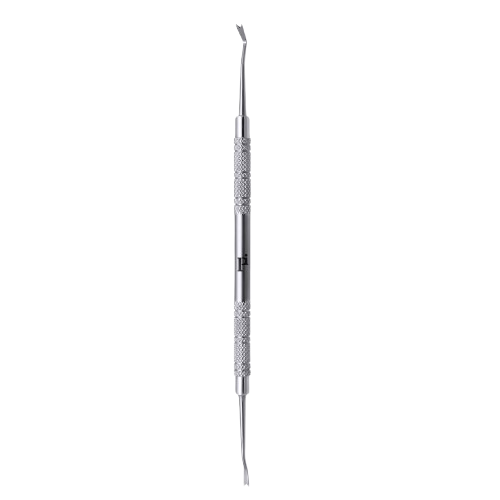
Ligature Director: A Ligature Director is used to direct, guide, or tuck arch wires and elastic rubber bands (usually named power chains) around brackets.
A ligature director may also be paired with a Scaler similarly to an Explorer instrument.
*This tool is usually located in a orthodontic cassette.

Height Gauge: A Height Gauge is used to precisely measure the exact height of each bracket during installment or replacement.
The different numbers show measurements in millimeters. A 4.0mm or 5.0mm measurement is used for longer teeth while the 3.5mm measurement is used for shorter teeth.

Distal End Cutter: A Distal End Cutter is used cut excess arch wires. These cutters have indents that grip the wire, preventing the excess from slipping into the paitient's mouth.

Ligature Cutter: A Ligature Cutter cuts very delicate wires (NOT archwires) and elastic bands such as power chains. These cutters tend to be expensive compared to Distal End Cutters.

Weingart Plier: A Weingart Plier is used place, remove, and position different types of wires into the brackets. The design of the pliers allow a steady grip for hard-to-reach areas near the back of the mouth.
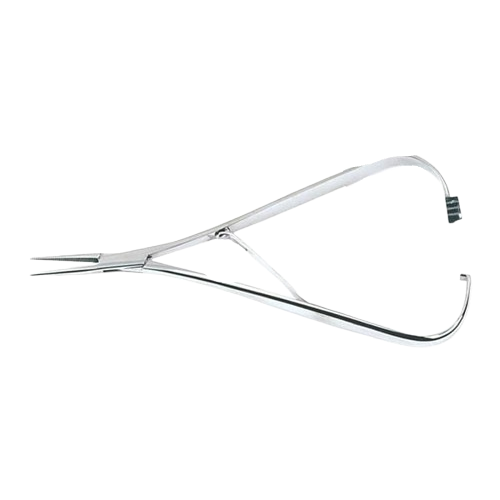
Hemostat: A Hemostat is used to remove O ties OR place and remove elastic rubber bands (power chains).
The three notches on the handle determine the strength of the grip. The third or last notch is used most frequently.
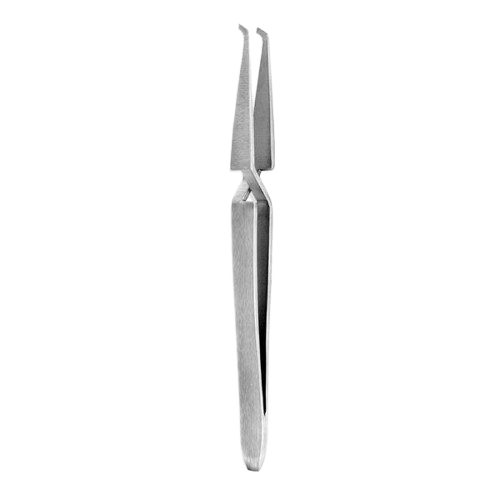
Bracket Holder/Plier: A Bracket Holder is used to position, place, or hold brackets. This keeps the brackets steady while applying glue or decontaminating in preparation for sticking to the teeth.

Hammerhead Plier: A Hammerhead Plier is used for make precise, permenant bends to archwires. Hammerhead Pliers can bend wires past a 90 degree angle in order to lock wires behind the molars.

Mixing Spatula: A Mixing Spatual is used to mix powders and liquids, specifically cement that securely attaches braces and bands to the teeth.
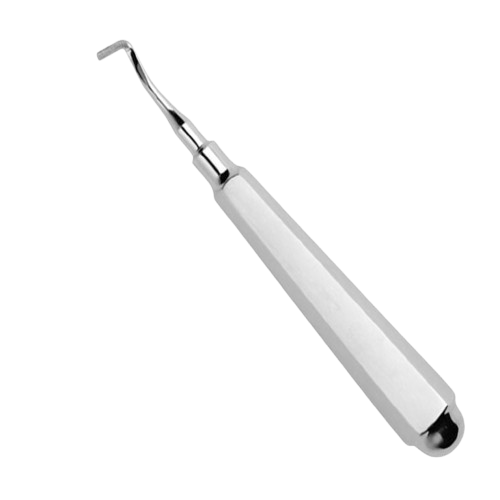
Band Pusher: A Band Pusher has a delicate angled tip that is able to push and seat bands unto the teeth. The Band Pusher can also bend the band in order to fit into the contouring of the teeth.

Band Remover: A Band Remover is used for removing the bond material connecting the bands to the teeth. In special cases there are Posterior and Anterior Band Removers that remove bands depending on their location (the back of the teeth [Posterior] or the front of the teeth [Anterior]).

Bite Stick: A Bite Stick also known as a Band Sealer are used to position stainless steel bands onto the molars. As the paitient bites down the band is able to slide perfectly in position.

Bracket Remover: A Bracket Remover is used to remove a paitient's brackets. This tool breaks the bond between the glue and the tooth for a safe removal. However, leftover glue may still be left on the teeth and drills can be used to shave the remaining glue.

Mouth Mirror: A Mouth Mirror is used by all dental professionals and functions to shine light or visualize blind spots in a paitient's mouth. This can also help inspect posterior or darker tight spaces in the mouth.
Learning these instruments enhanced my performance when aiding my coworkers and searching for the tools they need to do their job effectively!


Comments